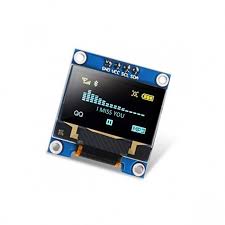
Overview
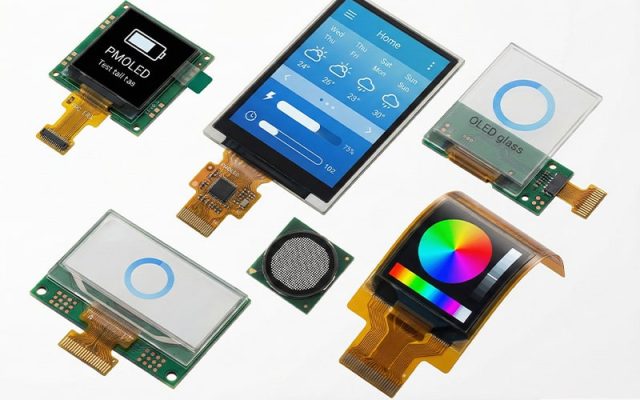
This workshop introduces embedded displays as a practical alternative to relying only on the serial monitor. Learners see how a project can become standalone when it can show readings, warnings, and instructions locally.
The session focuses on readable text, simple layout, update timing, and how to avoid clutter on small screens. It pairs well with light, temperature, soil moisture, or potentiometer inputs.
Learning Outcomes
- Wire an I2C OLED display and identify SDA/SCL connections
- Install and run an OLED display library example
- Display sensor values and labels clearly
- Design a simple status dashboard for a small screen
What You Build
A mini OLED dashboard showing one live sensor value and a status indicator such as OK, HIGH, LOW, or ALERT.
Materials Provided
Arduino-compatible board, SSD1306 I2C OLED display, one simple sensor, breadboard, jumper wires, display layout worksheet, starter sketch.
How Schools Can Integrate It
This is a strong bridge from sensor experiments to product-like prototypes. It gives learners a polished output for science fair, STEM day, or classroom demonstration projects.