Design for Manufacturability (DFM) Basics
Course on design choices that simplify manufacturing and reduce cost.
6 hours
Courses
“Learn Engineering the Practical Way” with expert-crafted courses, immersive workshops, and structured certification pathways — for schools, professionals, and innovators. Practical, modular lessons designed for engineers, makers, and STEM learners.
Find the right starting point based on age and experience.
Build real projects with Arduino, sensors, and introductory code.
Browse items →Develop full systems — IoT pipelines, embedded firmware, software architecture.
Browse items →Discover STEM through play, simple circuits, and guided experiments.
Browse items →Introduces essential concepts and basic hands‑on skills. Ideal for beginners building confidence and starting their learning journey.
Browse items →Industry-grade skills — cloud, automation, AI, and certification-ready content.
Browse items →Tailored learning experiences for every type of learner.
A structured learning experience that builds knowledge through guided lessons, theory, and practical exercises. Courses provide depth, progression, and clearly defined learning outcomes.
Browse items →A hands‑on, technical session focused on experimentation, hardware interaction, and skill practice. Labs emphasize doing, testing, and learning through direct manipulation of tools, devices, or code.
Browse items →A practical build where learners create a functional system, prototype, or application. Projects emphasize real‑world implementation, problem‑solving, and applying skills to produce a tangible result.
Browse items →A focused, instructor‑guided session combining explanation and immediate practice. Workshops are shorter than courses and aim to teach a specific skill or concept through interactive activities.
Browse items →Choose how you want to learn.
Hands‑on creation of physical parts and products using tools like 3D printers, laser cutters, CNC machines, and CAD software. This domain teaches learners how to design, prototype, and iterate on real‑world objects, enclosures, and mechanical components.
Browse items →Sustainable, creative, and accessible projects focused on environmental monitoring, home improvement, and personal innovation. Learners build practical DIY systems using simple electronics, sensors, and maker‑friendly tools.
Browse items →Core electrical engineering skills including circuits, components, sensors, power systems, and PCB design. This domain builds foundational knowledge for understanding and creating electronic systems from the ground up.
Browse items →Explore IoT systems in digital design and DIY electronics. Tailored for students, this post empowers you to innovate and create smart solutions.
Browse items →Infrastructure, servers, networking, and operational technologies that support modern applications. This domain covers Linux, networking fundamentals, protocols, monitoring, security, and cloud‑native operations.
Browse items →Software development skills across languages, frameworks, and architectural patterns. Learners build applications, APIs, microservices, and tools using modern programming practices, testing, version control, and design patterns.
Browse items →Mechanical systems, sensors, actuators, and control logic that bring machines to life. This domain teaches robot design, motor control, navigation, automation, and integration of hardware and software for intelligent movement.
Browse items →Course on design choices that simplify manufacturing and reduce cost.
Course on securing CI/CD pipelines and protecting the software supply chain.
Course on rapid prototyping workflows for hardware MVPs and startups.
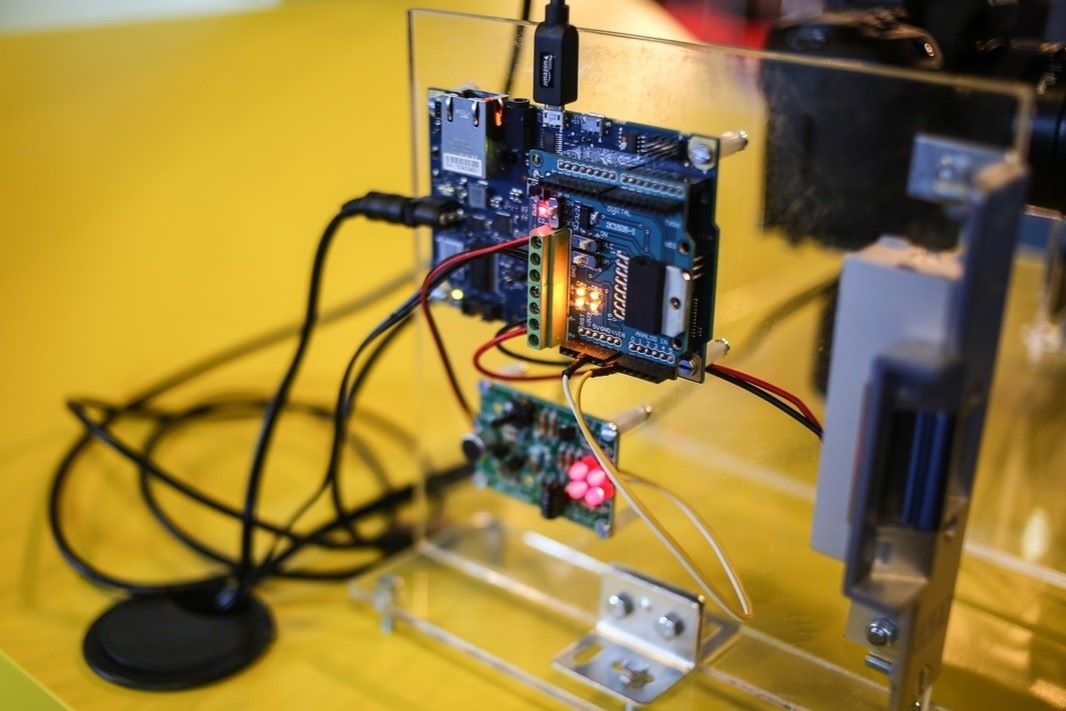
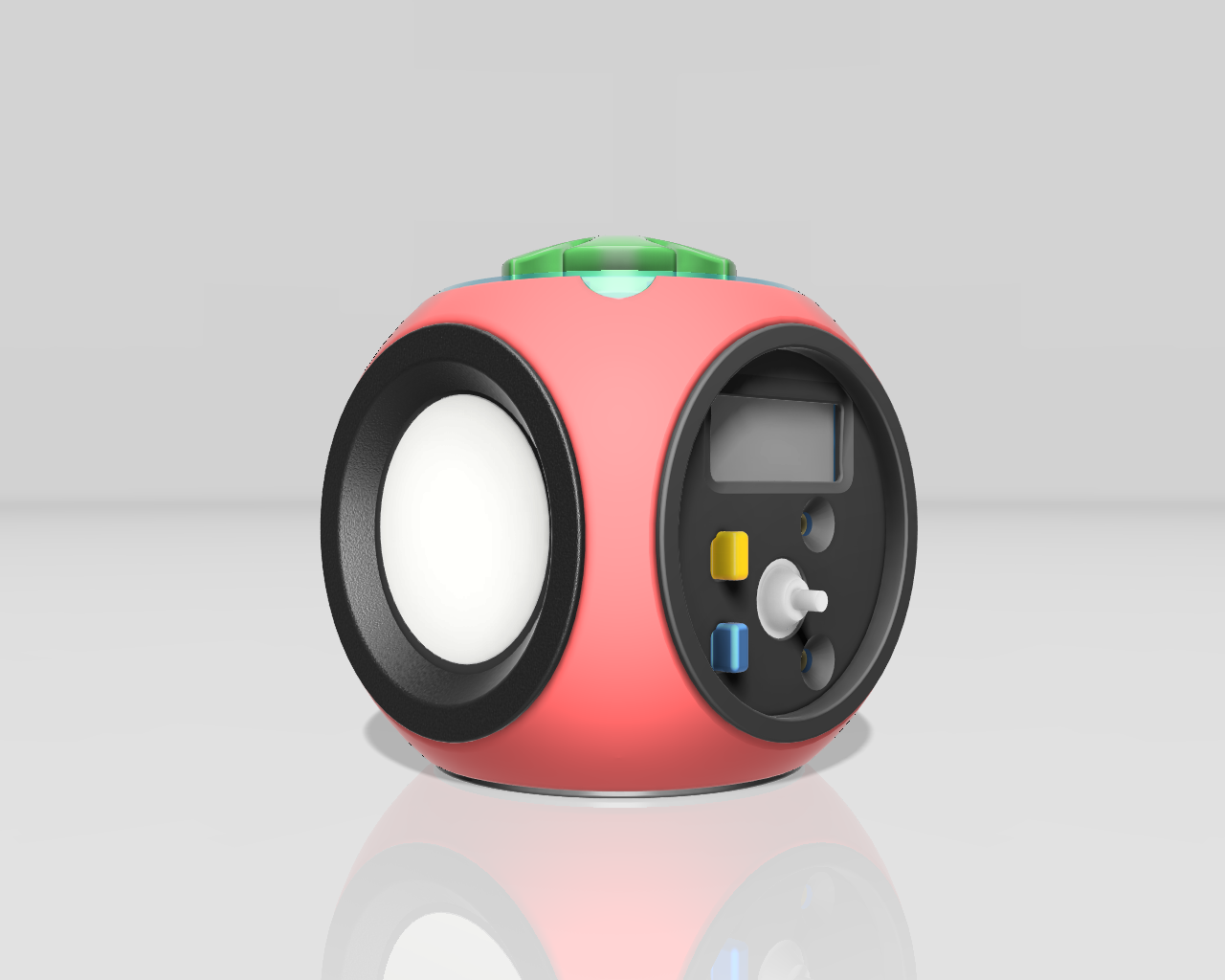
Modular IoT device integrating sensors, display, buzzer, and microcontroller for rapid embedded experimentation.
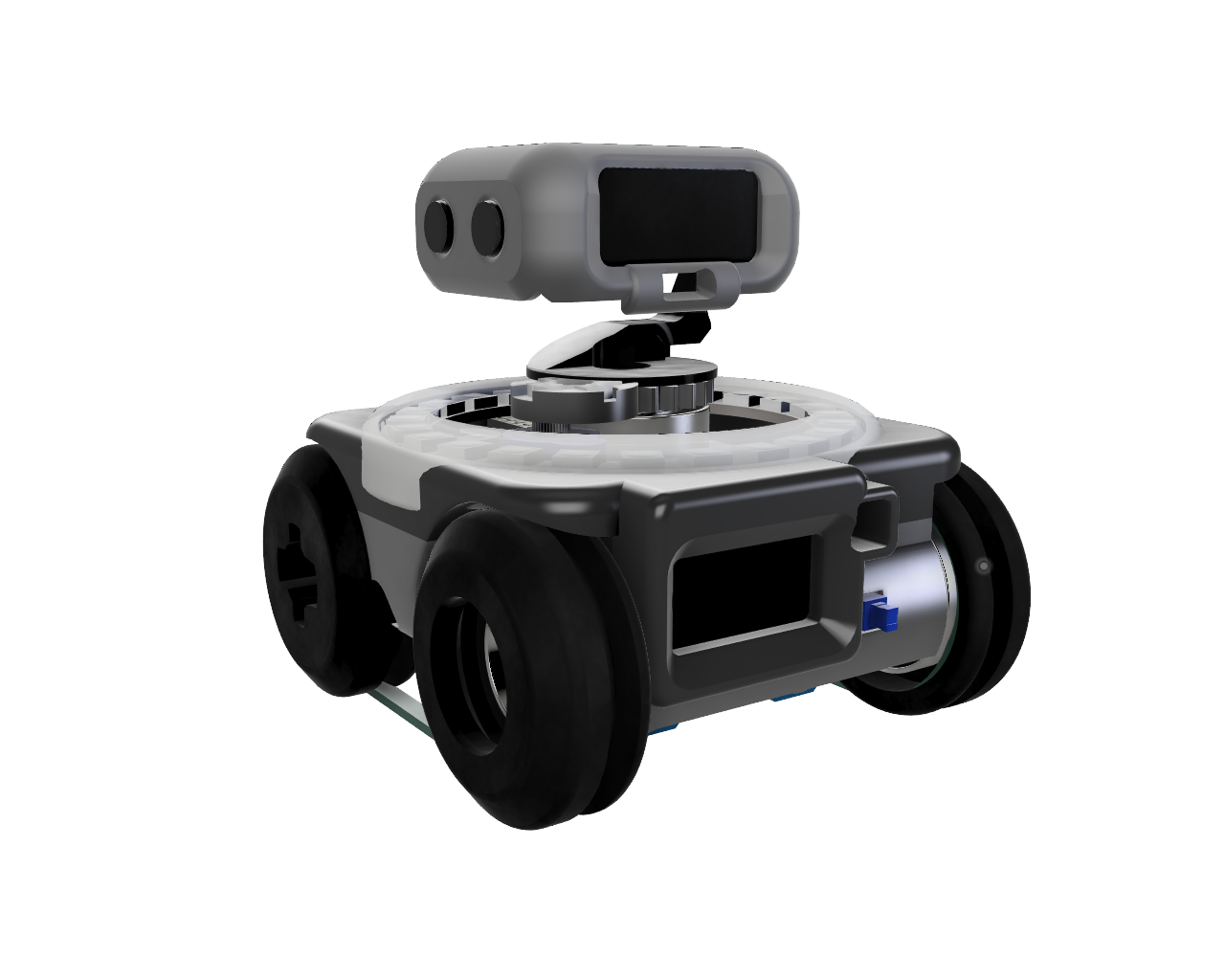
Open-source ESP32 robot combining mobility, connectivity, and remote control workflows for robotics learning.
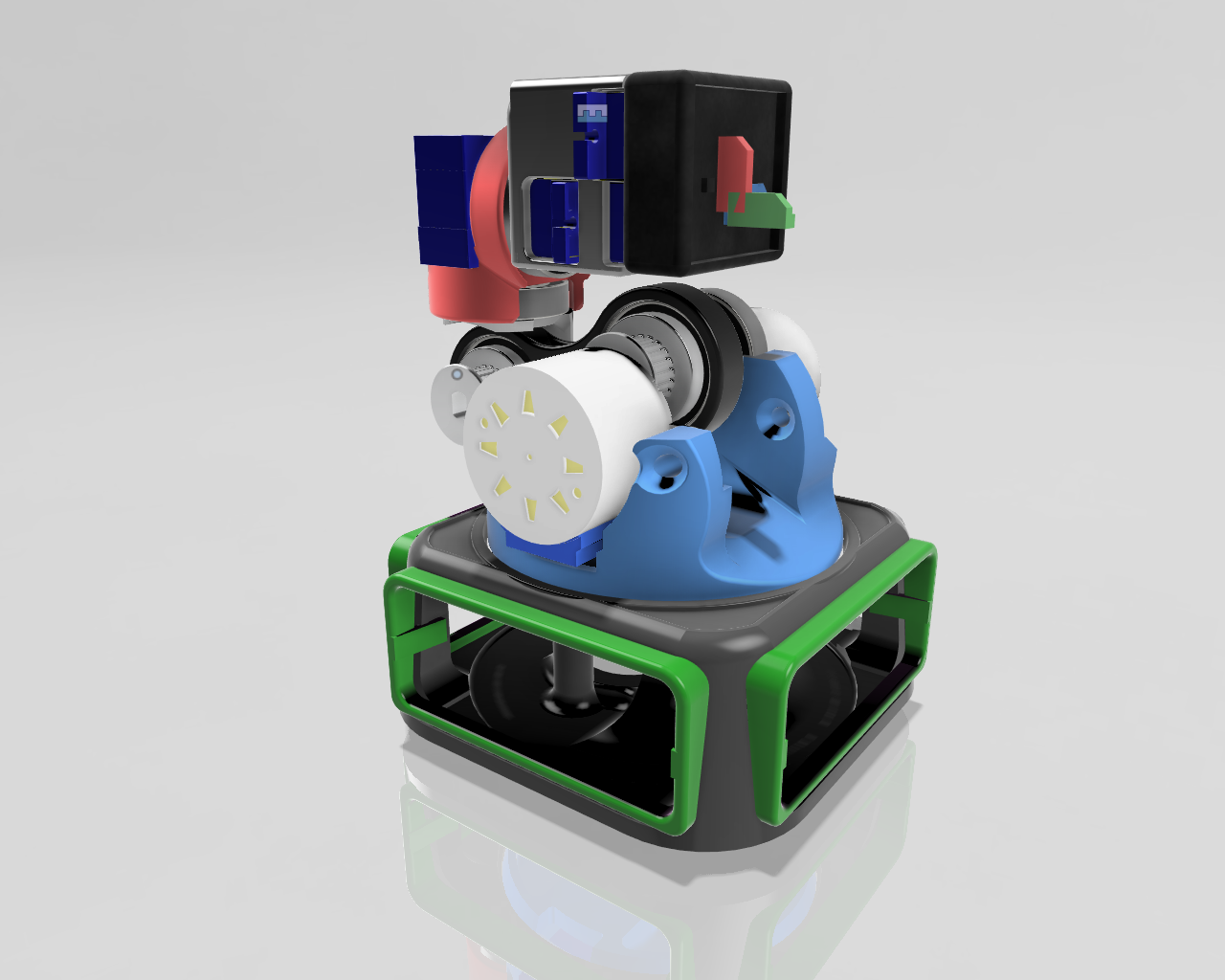
Compact robotic arm project integrating fabricated mechanical parts, actuators, and microcontroller control.
A compact display workshop where learners show live sensor values and status messages on an OLED screen.
A school-friendly I2C workshop combining one sensor and one OLED display on the same bus.
A safety-first workshop on low-voltage power, polarity, current limits, and classroom power-up checks.
Structured progression from associate to expert. Each tier builds on the last, validating real-world competency.
Core programming, version control, testing fundamentals
Architecture, cloud deployment, CI/CD pipelines
System design, performance optimization, team leadership
PLC programming, HMI basics, safety standards
SCADA, MES integration, motion control
Digital twin, predictive maintenance, Industry 4.0
Python for data, statistics, visualization
Machine learning, NLP, deep learning frameworks
MLOps, model optimization, production AI systems
Bite-sized lessons, how-to guides, and technical deep-dives — free and open to everyone.