Overview
Servos are an ideal first actuator because students can see precise movement quickly. This workshop teaches signal, power, and ground connections, then uses simple sketches to move a servo safely and repeatably.
The workshop emphasizes mechanical limits, avoiding stalled motors, and recognizing brownouts. Learners finish with a small moving mechanism that can become part of a robot, gate, pointer, or interactive model.
Learning Outcomes
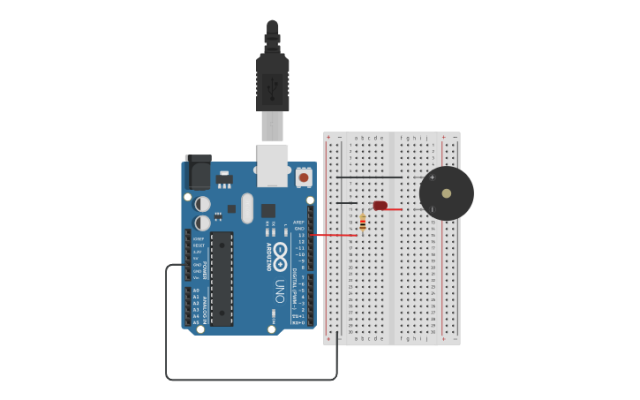
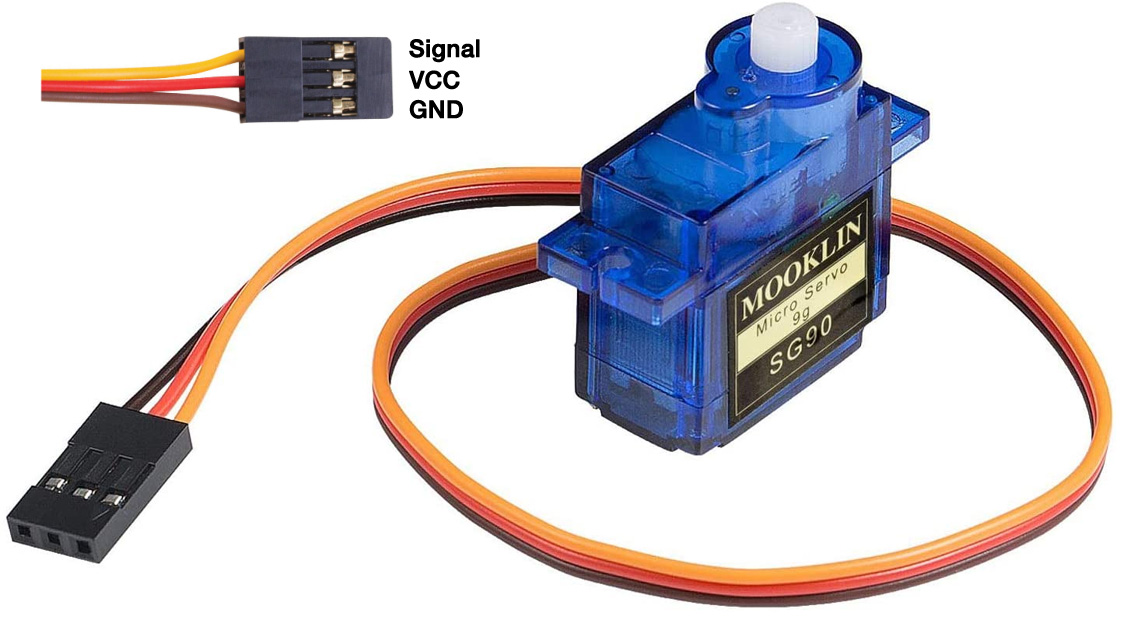
- Wire a hobby servo with signal, power, and ground connections
- Use the Arduino Servo library to control position
- Test endpoints without forcing the mechanism
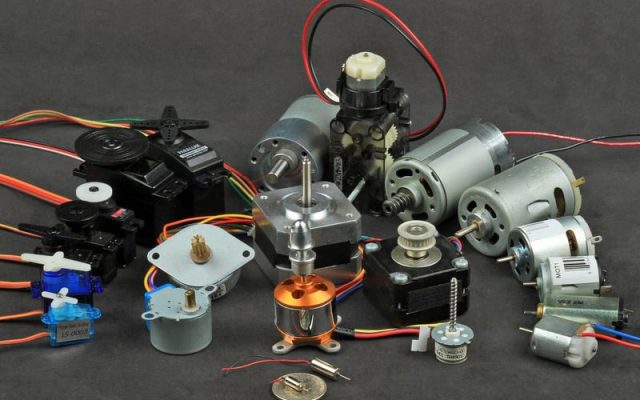
- Explain why motors may require separate or protected power
What You Build
A servo-controlled pointer or small gate mechanism with button or potentiometer control.
Materials Provided
Arduino-compatible board, micro servo, breadboard, jumper wires, optional external 5V supply, buttons or potentiometer, mounting card or laser-cut bracket.
How Schools Can Integrate It
This workshop is a safe stepping stone into robotics and mechatronics. It works well before line-following robots, robotic arms, or automated model projects.