
Overview
Power mistakes are one of the fastest ways to damage classroom electronics. This workshop gives learners a safe, repeatable process for powering Arduino-compatible projects and understanding what voltage and current mean in practice.
The session stays low-voltage and classroom-safe. Students do not work with mains wiring. Instead, they learn to protect boards, components, and themselves through polarity checks, current estimates, USB limits, and teacher-approved power sources.
Learning Outcomes
- Distinguish USB power, battery packs, regulated supplies, and board voltage pins
- Check polarity before connecting components
- Estimate whether a load may exceed a board or USB current limit
- Apply a safe classroom power-up checklist
What You Build
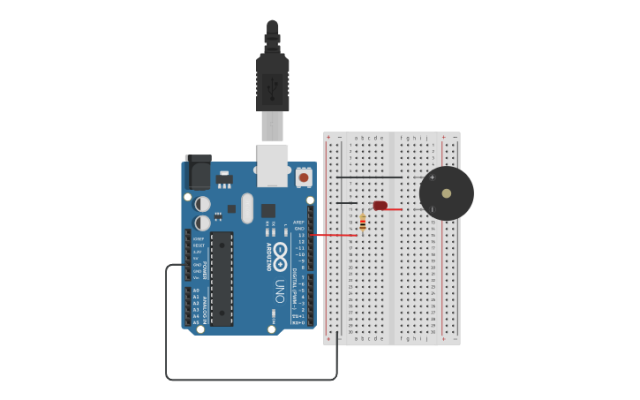
A labelled low-voltage power test setup and a reusable power-up checklist for future workshops.
Materials Provided
Arduino-compatible board, USB supply, battery holder, low-voltage regulated supply demo, LEDs, resistors, multimeters, printed safety checklist.
How Schools Can Integrate It
Run this before motors, relays, batteries, or independent project work. It gives teachers common safety language and gives students a practical checklist they can reuse.