
Overview
This workshop teaches the missing skill between plugging in a sensor and trusting its output. Learners discover that sensors produce ranges, noise, drift, and context-dependent readings, then build simple calibration routines to make projects behave reliably.
The session works with light, temperature, soil moisture, or potentiometer inputs. It can be delivered with Arduino Uno/Nano boards and extended to ESP32 by comparing ADC ranges and voltage assumptions.
Learning Outcomes
- Capture raw sensor readings and identify normal operating ranges
- Choose thresholds based on measured evidence rather than guesses
- Apply simple averaging or smoothing to reduce noisy behavior
- Trigger outputs when calibrated conditions are met
What You Build
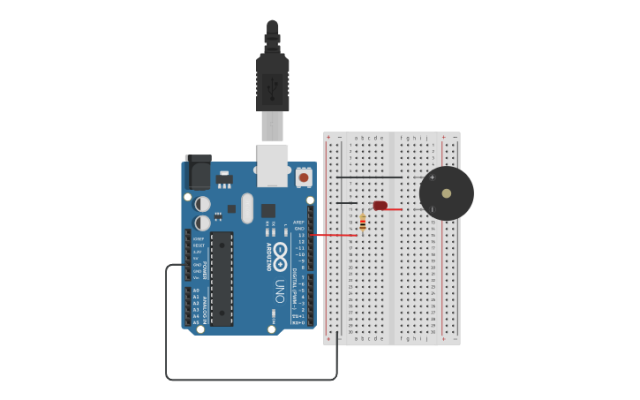
A calibrated sensor trigger that changes LED or buzzer output when measured conditions cross a chosen threshold.
Materials Provided
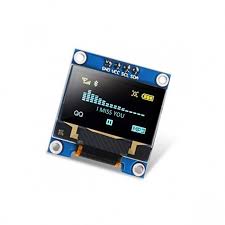
Arduino-compatible board, breadboard, analog sensor modules, LEDs, buzzer, resistors, jumper wires, calibration worksheet, optional ESP32 ADC comparison notes.
How Schools Can Integrate It
Use this in physics, computing, or environmental STEM lessons where students need to justify decisions using measured data. It also prepares them for plant monitors, weather stations, and robotics sensors.